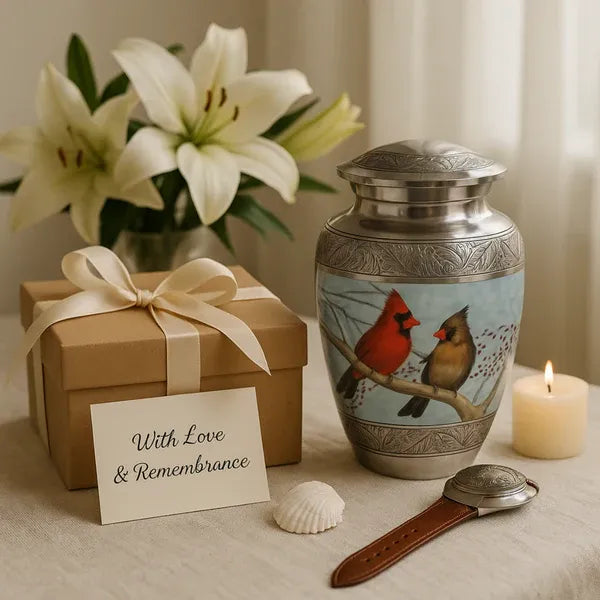

What Are Urns Made Of? Everything You Need to Know Before Buying

What are urns made of? Most cremation urns are made from materials such as metal, wood, ceramic, marble, stone, glass, and biodegradable compounds. Each material offers distinct benefits in durability, appearance, personalization, and intended use. Understanding these differences can help you choose a memorial that best honors your loved one.
If you are wondering what are cremation urns made of, what are urns made out of, or what is an urn made of, this guide explains the most common urn materials, their advantages, and how to choose the right one for your family's needs.
What Is a Cremation Urn and Why Does Material Matter
A cremation urn is a container designed to hold cremated remains. If you've ever wondered what an urn is made of, the answer depends on how the memorial will be used. While the material does not affect the preservation of the ashes, it plays an important role in the urn's durability, appearance, maintenance, and intended use.
Whether an urn will be displayed at home, placed in a columbarium, buried in a cemetery, or used for a scattering ceremony, choosing the right material helps ensure it suits both your preferences and the memorial's purpose.
Common Materials Used in Cremation Urns
The most common answer to what are urns made of includes metal, wood, ceramic, marble, stone, glass, and biodegradable materials. Each offers unique characteristics suited to different memorial preferences.
Cremation Urns are valued for their durability and versatility, while Wooden Urns provide a warm, traditional appearance. Ceramic and glass urns are often chosen for decorative display, marble and stone offer timeless elegance, and biodegradable urns are designed for eco-friendly burial or water ceremonies.
Pros and Cons of Different Urn Materials
-
Metal Urns
Pros:
-
Metal urns like aluminium urns are highly durable and can withstand everyday wear.
-
They are suitable for home display, burial, and columbarium placement.
-
Most metal urns can be engraved with names, dates, or meaningful messages.
Cons:
-
Metal urns are generally heavier than most other urn materials.
-
Wooden Urns
Pros:
-
Wooden urns offer a warm, natural appearance that suits many home memorials.
-
They are easy to personalize with engraved names or inscriptions.
-
They complement both traditional and contemporary décor.
Cons:
-
Wooden urns should be kept indoors and protected from excessive moisture.
-
Ceramic Urns
Pros:
-
Ceramic urns feature elegant, handcrafted designs with a wide variety of finishes.
-
They make beautiful decorative memorials for home display.
Cons:
-
Ceramic urns are more fragile than metal or wood and can chip or crack if dropped.
-
Marble Urns
Pros:
-
Marble urns provide a timeless, premium appearance.
-
They are highly durable and suitable for long-term memorialization.
Cons:
-
Marble urns are heavier than most materials and can be more expensive.
-
Stone Urns
Pros:
-
Stone urns are strong, durable, and resistant to weathering.
-
They are suitable for both indoor and outdoor memorials.
Cons:
-
Stone urns are heavy and may offer fewer design options than other materials.
-
Glass Urns
Pros:
-
Glass urns showcase unique artistic designs and vibrant colors.
-
They create an elegant focal point when displayed indoors.
Cons:
-
Glass urns require careful handling because they are more fragile than other materials.
-
Biodegradable Urns
Pros:
-
Biodegradable urns are designed for environmentally friendly burial and water ceremonies.
-
They naturally break down over time, making them an eco-conscious choice.
Cons:
-
They are not intended for permanent display or long-term preservation.
How to Choose the Right Urn Material for Your Needs
The best urn material depends on how and where you plan to memorialize your loved one. Consider the following before making your decision:
- Choose the final resting place first.
- Consider durability.
- Think about personalization.
- Match the material to your loved one's personality.
- Set a reasonable budget.
- Consider eco-friendly options.
Taking these factors into account can help you choose a memorial that is both practical and deeply meaningful.
Indoor vs Outdoor Use: Does Material Make a Difference?
Wooden, ceramic, and glass urns are generally recommended for indoor display. Metal, marble, and stone are better suited for outdoor placement or burial, while biodegradable urns are designed for green burial and water ceremonies.
Personalization Options Based on Urn Material
-
Metal Urns
Metal urns such as aluminium urns are ideal for laser or machine engraving with names, dates, messages, religious symbols, or artwork.
-
Wooden Urns
Wooden urns are well suited for engraved inscriptions, decorative carvings, and custom artwork.
-
Ceramic Urns
Ceramic urns can feature hand-painted artwork, glazed finishes, and personalized inscriptions.
-
Marble and Stone Urns
Marble and stone urns can be engraved with names, dates, quotes, and meaningful symbols.
-
Glass Urns
Glass urns can be customized with etched designs, engraved text, or artistic patterns.
-
Biodegradable Urns
Many biodegradable urns can include engraved nameplates, printed messages, or memorial tags before burial.
Explore thoughtfully designed cremation urns, created to honor your loved one with dignity and care.
Shop Premium Cremation UrnsCost Differences Between Urn Materials
Urn prices vary depending on the material, craftsmanship, and customization. Standard metal and wooden urns are often more affordable, while handcrafted ceramic, marble, glass, and specialty designs generally cost more.
Care and Maintenance of Different Urn Materials
Metal, stone, and marble urns can usually be cleaned with a soft dry cloth. Wooden urns should be protected from moisture, while ceramic and glass urns should be handled carefully. Avoid abrasive cleaners.
Selecting the Best Urn Material for Your Loved One
Understanding what are urns made of helps you choose a memorial that reflects your loved one's personality and your family's needs. The Memorial Urn offers Cremation Urns and Keepsake Urns.
FAQs
1. What are cremation urns typically made of?
Most cremation urns are made from metal, wood, ceramic, marble, stone, glass, or biodegradable materials.
2. Which urn material lasts the longest?
Stone, marble, and high-quality metal urns are among the most durable.
3. What is the best material for an urn at home?
Wood, ceramic, metal, and glass are all excellent choices for an urn at home.
4. Are wooden urns durable enough for long-term use?
Yes, with proper indoor care, wooden urns are durable enough for long-term use.
5. What is the difference between metal and ceramic urns?
Metal and Aluminium urns are more durable; ceramic urns are more decorative.
6. Are biodegradable urns safe for burial or water ceremonies?
Yes, biodegradable urns are safe for burial or water ceremonies as they are designed for the purpose.
7. Which urn materials are suitable for outdoor placement?
For outdoor placements, metal, marble, and stone are the most suitable urn materials.
8. Do different urn materials affect preservation of ashes?
No, they affect durability and appearance, not preservation.
9. How do I choose the right urn material for my loved one?
To choose the right urn material for your loved one, you must consider location, style, personalization, and budget.
10. Are glass urns fragile or safe to use?
Glass urns are safe when handled carefully but are more fragile compared to the other materials.
11. What is the most affordable urn material?
Standard metal and wooden urns are amongst the most affordable urn materials.
12. Can urns be personalized based on their material?
Yes, most materials support personalization.
13. Are eco-friendly urns widely available?
Yes, biodegradable urns are widely available.
14. How do I maintain and clean different types of urns?
Use a soft dry cloth and avoid abrasive cleaners.