
What to Do With Ashes After Cremation: Your Options Explained

When your loved one is cremated, the family often has to make another decision soon afterward. What should they do with the ashes? Some people already know what they want. They might have discussed their wishes with the person before they died. Others perceive the ashes from the crematorium and realise that they are not ready to decide what comes next. If you are in the second category, that's completely OK. You don't have to make a permanent decision straight away. There are several ways to handle cremated ashes, from keeping them at home in an urn to scattering them in a meaningful place. You can also bury them or place them in a cemetery niche. The right choice depends on your family's wishes and personal beliefs.
What can you do with ashes after cremation?
There is not just one way to handle cremated remains. Some families want a permanent place to visit while others prefer to keep the ashes close.
Keep the ashes at home in a cremation urn
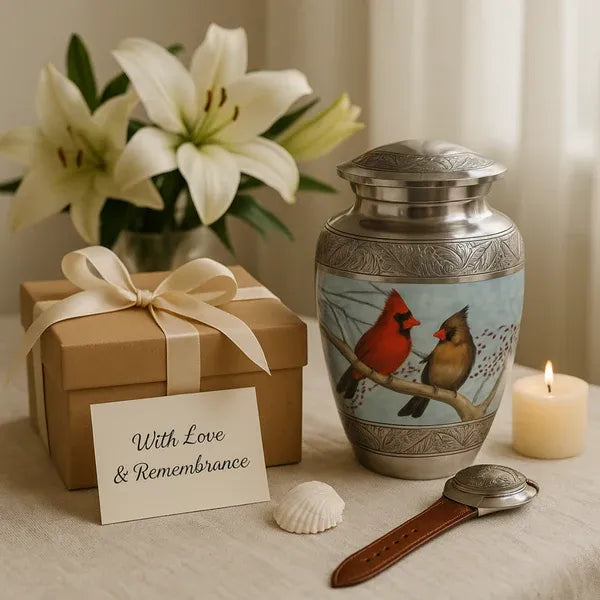
For families who want to keep their loved ones close, bringing the ashes home can feel like a natural choice. You might place the urn on a living room shelf or keep it in a private study with a few photographs or personal belongings. The arrangement doesn't have to be elaborate. Even a simple space can be useful. A full-size cremation urn is designed to hold all or most of your loved ones permitted remains. Urns are available in different materials like metal, ceramic and marble. When choosing one, think about where you plan to keep it and how much space you have.
Scatter the ashes somewhere meaningful
Some families prefer to scatter the ashes rather than just keep them in a container. Location is often a personal connection. It might be your favorite beach or a garden or somewhere the family associates with happy memories. Before choosing a location, check the relevant rules and permissions. Public parks, private properties and waterways might have restrictions on scattering. If the location is overseas, additional rules might apply. You can make the occasion as simple or organised as you wish. Some families gather for a short remembrance, share stories or read a letter before scattering the ashes.
Bury the ashes in a cemetery
If your family wants a permanent resting place, burying the ashes in a cemetery is another option. The urn might be placed in a dedicated cremation plot or, where permitted in an existing family grave. This gives a specific place to visit on birthdays or anniversaries. But before arranging burial, you need to contact the cemetery to ask about the requirements. Some cemeteries have rules about urn materials and plot availability.
Place the urn in a columbarium
A columbarium is a structure with individual compartments known as niches designed to hold cremation urns. Columbia can be found in symmetries on memorial parks. A niche usually provides a designated place for the urn and might include a plaque with your loved one’s name and other details. Check the dimensions and rules of the niche before choosing an urn.
Share a small portion of the ashes with family
What happens when several family members want to keep a part of the ashes? Keepsake urns can offer a practical solution. Unlike a full size urn which is designed toward all or most of the remainder a keepsake urn holds a smaller part. For example one family member might keep the main urn at home while others keep a small keepsake urn in their own home. It can be useful when relatives live in different cities or countries.
Choose cremation jewelry and another personal keepsake
You can prefer a smaller or more private reminder of your loved one. Certain memorial pendants or bracelets are designed to hold a small amount of committed remains. Others preserve a different memento like fingerprint or photograph. The option might apply to you if you want a personal reminder that you can carry with you rather than just display at home. If you choose a memorial jewelry check how it is sealed and how it should be maintained.
Consider a memorial garden or tree
If your loved one enjoyed spending time outdoors in the garden then it can be a great way to remember them. You can create a memorial garden with flowers or plants. You can even choose tree planting or services that incorporate cremated remains into a designated planting area. But ashes should not be automatically poured around a tree or mixed into soil without preparation. Cremated remains can have a high mineral content and might affect plant growth.
What should you know before choosing an urn?
If you decide to keep the ashes or place them in a cemetery choose an urn that suits your intended use. Ensure the urn can hold the amount of ashes you plan to keep. Metal and wood are common choices for display . Ceramic marble and other materials might suit different preferences. Biodegradable urns are designed for particular burial or water related uses depending on the product. An urn for a home shelf might have different requirements from one intended for burial or a Columbarium niche. Furthermore you must also check how the urn closes and whether the manufacturer recommends specific care or sealing instructions. If you are transferring the ashes yourself and it feels too upsetting you can ask the Funeral Home whether they can help. You don't have to handle the part alone.
Faqs
Q.1 How long can you keep ashes after cremation?
Ans. There is no universal deadline for deciding what to do with cremated remains. You can keep ashes at home for months or years before making a permanent arrangement.
Q.2 Is it OK to keep cremated ashes at home?
Ans. Yes, many families choose to keep ashes at home in a suitable urn. Consider your family's wishes before planning anything.
Q.3 Can you split ashes among family?
Ans. Yes, many families divide cremated remains among keepsake urns or other suitable memorial containers. You need to discuss the arrangement beforehand so everyone can understand what will happen to the remains.
Deciding what to do with ashes after cremation is a personal choice and different families will find comfort in different arrangements. You might want to keep the urn at home or scatter the ashes somewhere meaningful, arrange a cemetery burial or share a small portion among relatives. Start with what feels right for your family, consider any practical requirements and give yourself time to make the decision. There is no single way to honor someone you love. What matters is choosing an arrangement that respects their wishes and gives you and your family a way to remember them